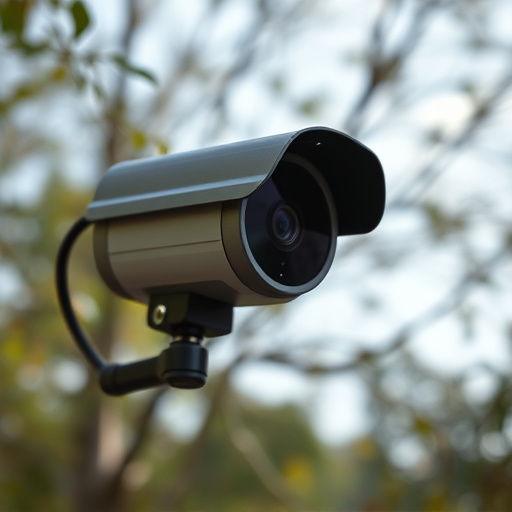
Strategic placement of wireless surveillance equipment outdoors is vital, with the best height for outdoor decoys typically between 5-10 feet (1.5-3 meters) above ground. This range offers optimal signal quality and line-of-sight, minimizing interference from trees, buildings, terrain, and weather conditions. Cameras should be positioned near entry points and high-traffic areas, mounted on poles or walls for stability. In dense areas, raise the equipment higher to 8-10 feet (2.4-3 meters) to reduce blind spots and enhance tracking accuracy, ensuring reliable surveillance.
Wireless surveillance equipment has transformed security monitoring, offering remote access and real-time alerts. To maximize its effectiveness, understanding key factors like signal strength and range is crucial. This article guides you through the essentials of wireless surveillance detection, explores the best height for outdoor decoys to enhance coverage, and delves into advanced techniques to ensure precise location and minimize blind spots. By following these tips, you can optimize your security system’s performance.
- Understanding Wireless Surveillance: The Basics of Detection
- Factors Influencing Signal Strength and Range
- Best Practices for Deploying Outdoor Surveillance Decoys
- Choosing the Optimal Height for Effective Coverage
- Advanced Techniques for Location Precision and Avoidance of Blind Spots
Understanding Wireless Surveillance: The Basics of Detection
Wireless surveillance equipment, like decoys and sensors, require strategic placement for optimal detection. One crucial factor is height; positioning devices at the best height enhances their effectiveness. For outdoor setups, mounting them at eye level or slightly elevated can significantly improve their range and line of sight. This ensures they capture clear signals without obstructions from surrounding structures or foliage.
Understanding the terrain and potential interference sources is key. Avoid placing decoys near tall trees or buildings that might block signal transmission. The best height for outdoor decoys often means positioning them just above ground level to overhead, ensuring a panoramic view while mitigating shadowing effects from nearby obstacles.
Factors Influencing Signal Strength and Range
Signal strength and range are critical factors in wireless surveillance equipment location detection, influenced by several key elements. One of the primary considerations is best height for outdoor decoys; placing antennas at optimal heights can significantly enhance signal reception. Higher elevations often provide clearer lines of sight, reducing interference from obstacles like trees or buildings. This direct path allows for stronger signals and extended range.
Additionally, terrain features play a crucial role. Rough or uneven ground can attenuate signal strength, while smooth, flat areas tend to support better transmission. Weather conditions also impact performance; rain, snow, and fog can all degrade wireless signals. Understanding these factors helps in strategic deployment, ensuring optimal surveillance equipment performance and accurate location detection.
Best Practices for Deploying Outdoor Surveillance Decoys
When deploying outdoor surveillance decoys, one of the best practices is to position them at the optimal height for maximum effectiveness. Generally, placing cameras at a height of 5-10 feet (around 1.5-3 meters) above ground level offers an excellent view, capturing both clear and detailed footage while minimizing the risk of damage or detection by potential intruders. This range ensures a wide field of view, covering a significant area without appearing too obtrusive.
Additionally, consider strategic placement near areas that require close monitoring, such as entry points, parking lots, or areas with high foot traffic. Mounting decoys on poles or walls, rather than trees or other natural structures, provides more stability and control over the camera’s direction. Regular testing and calibration of these devices is also crucial to ensure their functionality and to adjust for any interference or changing environmental conditions.
Choosing the Optimal Height for Effective Coverage
When deploying wireless surveillance equipment, especially in outdoor settings, selecting the best height for decoys is key to achieving effective coverage. The optimal height varies depending on several factors, including the type of terrain, nearby structures, and the specific needs of your security system. Generally, placing cameras or sensors at a height of 5 to 10 feet (around 1.5 to 3 meters) above ground level offers a good balance between wide-area coverage and clarity.
For open fields or areas with minimal obstructions, this lower range might suffice. However, in more densely populated environments with trees, buildings, or other obstacles, raising the equipment to 8 to 10 feet (approximately 2.4 to 3 meters) or higher can ensure a broader field of view and reduce the chance of blind spots. Remember, the goal is to maximize visibility while minimizing interference from natural or artificial obstructions, making the right height adjustment a crucial step in achieving reliable surveillance.
Advanced Techniques for Location Precision and Avoidance of Blind Spots
In the realm of wireless surveillance, achieving precise location detection is paramount. One of the advanced techniques to enhance accuracy involves strategic placement and utilization of decoys at the best height for outdoor setups. By deploying these decoys at optimal heights, you can create a comprehensive network that minimizes blind spots. This method ensures that even in challenging landscapes, every angle is covered, allowing for more detailed and accurate tracking.
The best height for outdoor decoys depends on various factors such as surrounding obstacles, terrain, and the type of surveillance equipment used. Generally, positioning them at heights that offer a clear line of sight to the targeted area can significantly improve signal strength and detection reliability. Regularly reviewing and adjusting the placement based on real-time feedback is crucial to maintaining optimal location precision.
Wireless surveillance equipment plays a pivotal role in modern security systems, offering both flexibility and challenges. By understanding the fundamentals of signal detection, considering factors like terrain and obstacles, strategically deploying decoys, and utilizing advanced techniques to pinpoint locations accurately, you can maximize the effectiveness of your outdoor surveillance system. Remember, the right placement – specifically, selecting the best height for outdoor decoys – is crucial for achieving comprehensive coverage without creating blind spots.